
Get a trigger score for a meal.
Bloating after meals
Bloating after eating can feel random. Flourish helps you get a clearer read.
Bloating does not always mean you ate the wrong food. Fiber, FODMAPs, carbonated drinks, eating speed, portions, constipation, stress, and gut sensitivity can all shape how a meal feels. Flourish helps you understand possible contributors and get a practical next step from Flora.
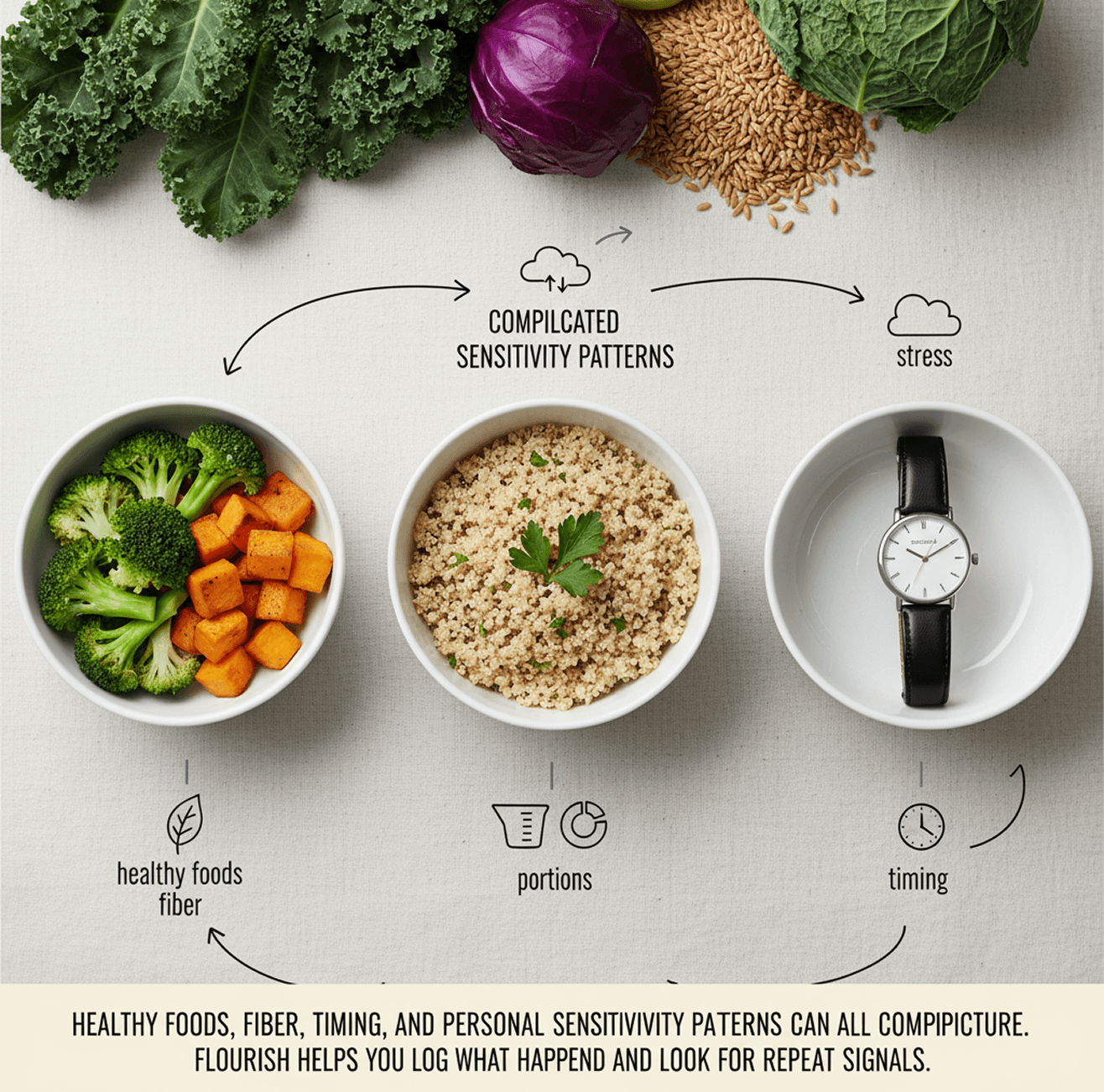
Why it gets confusing
Bloating is real, even when it is hard to explain.
Bloating can feel like fullness, pressure, tightness, swelling, or visible distention. Some people feel bloated without looking visibly distended, and that experience still counts. If bloating keeps interrupting your day, it is worth taking seriously.
Healthy foods can still cause bloating.
Beans, lentils, onions, garlic, certain fruits, dairy, wheat or rye products, whole grains, salads, cruciferous vegetables, and sugar alcohols can all be harder for some people to digest, especially in larger portions. That does not make these foods bad. It means portion, preparation, timing, and personal tolerance can matter.
Fiber can be helpful, but your gut may need a slower ramp.
Fiber supports digestive health, but suddenly adding a lot of fiber can increase gas and bloating for some people. A gentler next step may be a smaller portion, a different fiber source, cooked instead of raw vegetables, more fluids, or a slower increase.
Bloating is not always just food.
Swallowed air, carbonated drinks, eating quickly, constipation, stress, menstrual cycle changes, IBS, lactose or fructose intolerance, SIBO, celiac disease, GERD, or other GI conditions can contribute. Food is a useful place to start, but it is not the only possible explanation.
How Flourish helps
Move from everything makes me bloated to a more specific next step.
Flourish helps you understand what in a meal may be contributing and get gentler ideas from Flora without jumping straight to restriction.
See whether fiber load, FODMAPs, carbonation, portion size, timing, or other details may matter.
Get gentler swaps, recipes, and meal ideas from Flora.
Build a personal trigger profile so Flourish learns which meal styles tend to work better for your body.
For care conversations
Flourish can help organize meal and symptom context for care conversations, especially if bloating is persistent, severe, changing, or disrupting daily life.
Flourish is educational and does not diagnose or treat bloating. Talk with a clinician if bloating is severe, persistent, suddenly changing, or accompanied by significant pain, vomiting, diarrhea, constipation, fever, blood in stool, black stools, unexplained weight loss, trouble swallowing, or symptoms that disrupt daily life.
Related reading
Go deeper on food, symptoms, and next steps.
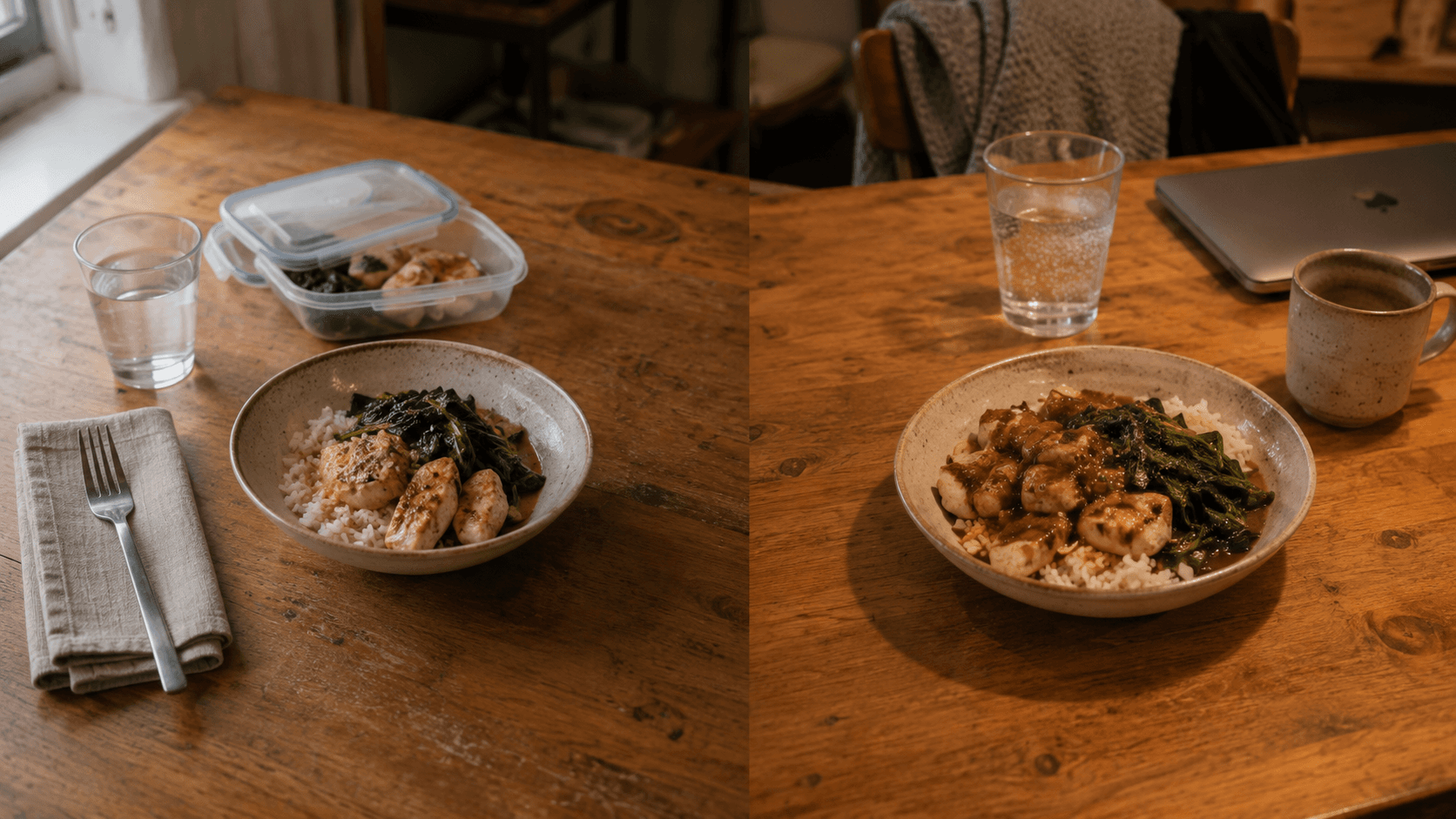
Food Triggers
Why Do I React Differently to the Same Meal on Different Days?
Ate the same meal twice and felt fine once but miserable the next time? Learn why context like portion, timing, stress, recent symptoms, and what else was in the meal may change how food feels.
symptom trackingIBSacid reflux

Food Triggers
Why Generic Trigger Lists Are Not Always Enough
Generic trigger lists can be useful, but they may not explain your personal food and symptom patterns across reflux, IBS, IBD, and daily context.
acid refluxGERDIBS
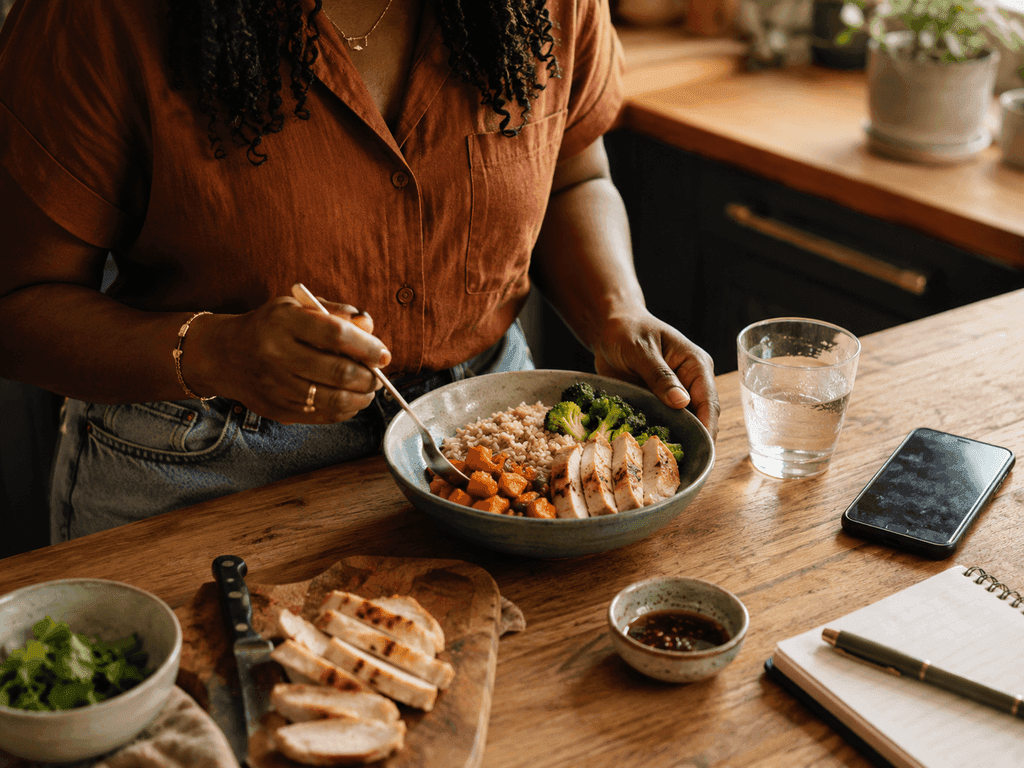
IBS
What to Eat When IBS Makes Meal Planning Feel Impossible
IBS can make meal planning feel overwhelming. Learn how simple meal templates, gentler swaps, and food-symptom tracking may help you plan with less guessing.
bloatingmeal planninglow-FODMAP
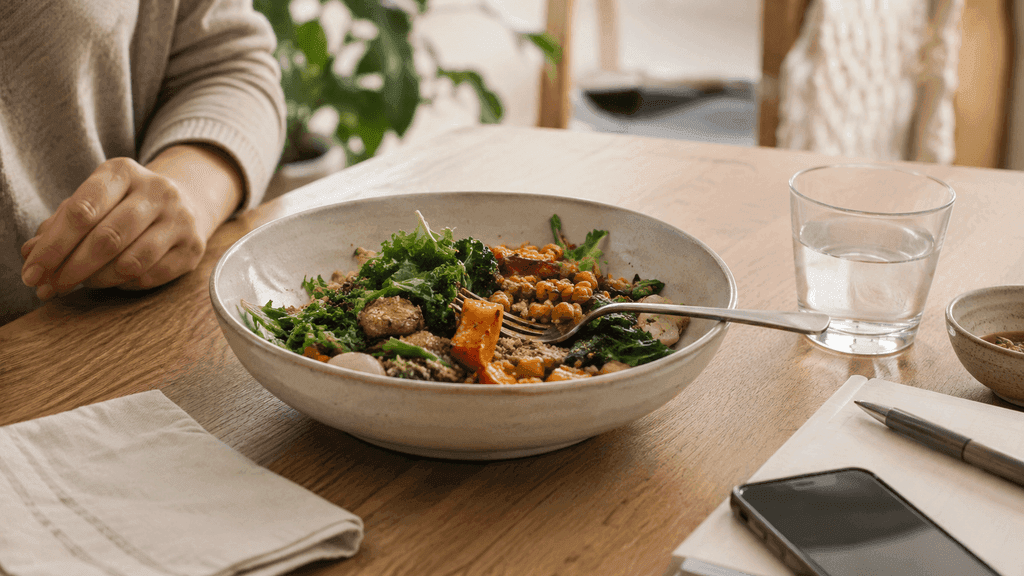
Bloating
Bloating After Eating Healthy? Here’s Why That Can Happen
Bloated after salads, beans, vegetables, or other healthy foods? Learn why this can happen, what may be worth tracking, and how to notice your own food and symptom patterns.
food triggersfibersymptom tracking
Bloating
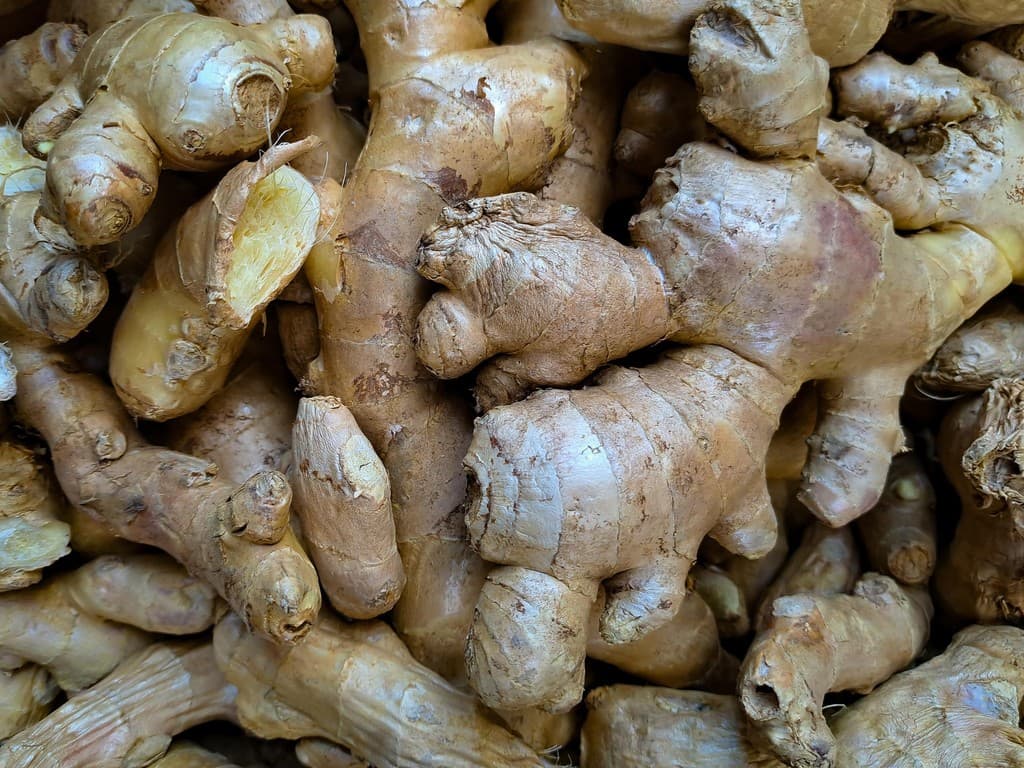
The Benefits of Ginger
Learn how ginger may support digestion, bloating, gas, and nausea, plus simple ways to add it to meals and drinks.
gingerrecipesdigestion

Meal Planning
When Dinner Feels Like a Decision Minefield
A product-led framework for reducing dinner guesswork with insights, plans, grocery lists, and a more repeatable path from idea to meal.
food triggersproductrecipes
FAQ
A few careful answers.
Can bloating happen after healthy foods?
Yes. Healthy foods can still be harder to digest depending on fiber type, FODMAP content, portion size, preparation, and your personal tolerance. Flourish can help explain which meal features may matter and suggest a gentler next step.
What is a bloating trigger score?
A bloating trigger score is Flourish's estimate of how likely a meal may be to contribute to bloating based on your profile, meal details, and evidence-backed nutrition knowledge. Scores use a 0-10 scale and come with a plain-language explanation.
Does bloating mean I should cut out fiber?
Usually not without professional guidance. Fiber can be helpful, but the type, amount, and speed of increase matter. Flora can help you think through smaller portions, slower increases, and gentler swaps.
Can Flourish help if I do not know what triggered the bloating?
Yes. You can start with a meal photo or short description and a symptom note. Flourish can identify possible contributors and give practical next steps, then get more personal as it learns from your responses.
Ready when your next meal is
Get a clearer read on your next meal.
Download Flourish to see possible triggers, understand why they may matter, and get swaps, recipes, and meal ideas from Flora.