
Get a trigger score for a meal.
Acid reflux and meal context
Reflux after eating can be confusing. Flourish helps you understand what may have contributed.
When reflux happens, it is easy to blame the last food you ate. But symptoms can be shaped by timing, portion size, fat, acidity, caffeine, alcohol, lying down after meals, and your own response patterns. Flourish helps you get a clearer read on the meal, the likely contributors, and what to try next.
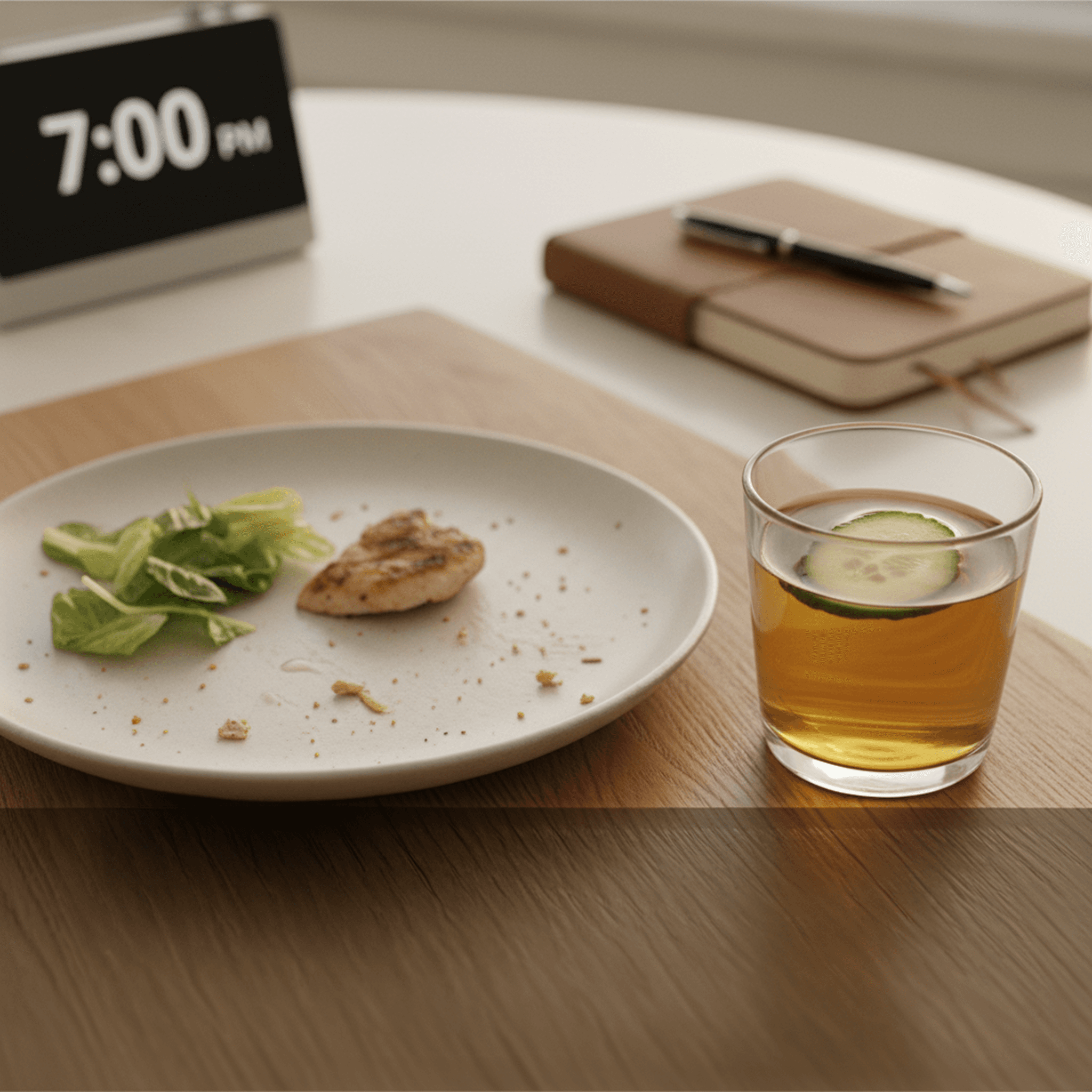
Why it gets confusing
Reflux is not only about acidic foods.
Citrus, tomatoes, spicy meals, coffee, alcohol, chocolate, mint, and high-fat foods are commonly discussed reflux triggers. But they do not affect everyone the same way. For some people, the bigger issue is how much they ate, how rich the meal was, or how soon they lay down afterward.
Timing and portions can change the whole picture.
Large meals can put more pressure on the stomach. High-fat meals may slow stomach emptying. Eating close to bedtime or lying down soon after eating can make reflux more likely for some people. This is why a meal that feels fine at lunch may feel different late at night.
Safe foods can still be part of a reflux episode.
A bland or familiar food may still show up before reflux if the portion was large, the meal was late, it included hidden fat or acidity, or your body was already more sensitive that day. The goal is not to blame one food too quickly.
Gentler choices do not need to mean boring food.
Reflux-friendly eating often starts with practical adjustments: smaller portions, earlier meals, gentler preparation, lower-fat swaps, less acidic ingredients when relevant, and meals that still fit your culture and preferences.
How Flourish helps
Turn a confusing reflux episode into a more useful next step.
Flourish helps you understand why a meal may have been flagged and get practical ideas from Flora without turning one episode into a permanent avoid list.
See why timing, portion, fat, acidity, caffeine, alcohol, or other details may matter.
Get swaps, recipes, and meal ideas from Flora that are gentler without being generic.
Build a personal trigger profile as Flourish learns how your body responds.
For care conversations
If reflux is persistent or concerning, Flourish can help you bring clearer meal, timing, and symptom context into a conversation with a qualified clinician.
Flourish is educational and does not diagnose or treat acid reflux or GERD. See a clinician if reflux is frequent, worsening, not improving with usual care, or accompanied by chest pain, trouble swallowing, pain with swallowing, persistent vomiting, bleeding, black stools, unexplained weight loss, or symptoms that feel urgent.
Related reading
Go deeper on food, symptoms, and next steps.

Food Triggers
Why Do I React Differently to the Same Meal on Different Days?
Ate the same meal twice and felt fine once but miserable the next time? Learn why context like portion, timing, stress, recent symptoms, and what else was in the meal may change how food feels.
symptom trackingIBSacid reflux

Acid Reflux
Had Reflux After Eating? Here's What to Write Down Before Blaming the Food
Had reflux after eating and not sure what caused it? Learn what to write down after a reflux flare-up so you can spot possible patterns without blaming one food too quickly.
GERDfood triggerssymptom tracking

Food Triggers
Why Generic Trigger Lists Are Not Always Enough
Generic trigger lists can be useful, but they may not explain your personal food and symptom patterns across reflux, IBS, IBD, and daily context.
acid refluxGERDIBS

Acid Reflux
Why Do I Get Reflux After Eating “Safe” Foods?
Reflux after a “safe” meal can feel confusing. Learn why timing, portion size, meal context, and personal patterns may matter, and what to track next.
GERDfood triggerssymptom tracking

Meal Planning
When Dinner Feels Like a Decision Minefield
A product-led framework for reducing dinner guesswork with insights, plans, grocery lists, and a more repeatable path from idea to meal.
food triggersproductrecipes

Product
Stop Being the Project Manager of Your Gut
How Flourish was redesigned to reduce chronic gut-condition decision fatigue with proactive highlights, trigger scores, and next-step guidance.
AI nutritionfood triggersmeal planning
FAQ
A few careful answers.
Can Flourish tell me what caused my reflux?
Flourish cannot prove causation or diagnose GERD. It can help estimate likely meal contributors, explain why they may matter, and suggest practical next steps to discuss or try when appropriate.
What is a reflux trigger score?
A reflux trigger score is Flourish's estimate of how likely a meal may be to contribute to reflux symptoms based on your profile, meal details, and evidence-backed nutrition knowledge. Scores use a 0-10 scale and come with a plain-language explanation.
Does reflux always mean I should avoid spicy or acidic foods?
Not necessarily. Some people are sensitive to spicy or acidic foods, while others are more affected by portion size, fat, timing, coffee, alcohol, chocolate, mint, or lying down after meals.
Can Flora give me reflux-friendly meal ideas?
Yes. Flora can suggest swaps, recipes, and meal ideas that consider common reflux-related factors and your preferences. As Flourish learns from your responses, the suggestions can become more personal.
Ready when your next meal is
Get a clearer read on your next meal.
Download Flourish to see possible triggers, understand why they may matter, and get swaps, recipes, and meal ideas from Flora.